4 Red Wines For Beginners (A Simple Guide)
Red wine for beginners can feel a little intimidating, and that’s completely normal. It’s no secret that wine is becoming more popular. You might already be a seasoned Rosé drinker, or maybe it’s just flooding your Instagram feed. Whatever the case, many newcomers struggle with red wine at first.
You might be thinking, “I don’t know where to start?” or “I tried it before, and it was horrible.” Don’t worry — you’re not alone.
I get it. I used to be a white wine girl through and through. If it wasn’t a chilled glass of Sauvignon Blanc, I wasn’t interested. Then I met my husband, a lifelong red wine lover, and that’s when my wine journey really began. Now, I can honestly say that some of the best bottles I’ve ever had have been red.
There are many reasons why you might not have enjoyed a glass of red wine before, or why you’ve felt unsure about where to start. This guide to red wine for beginners will help you understand the main styles, what to look for in taste and body, and how to find a bottle you’ll actually enjoy.
First, let’s look at a few common reasons people struggle with red wine — and how to avoid this.
If you want to learn about other types of wine, check out my simple guide to different wines!
This post may contain affiliate links. I only share products I genuinely rate, and any commission helps support the blog at no extra cost to you.

4 Reasons Why You Did Not Enjoy Red Wine
The Taste Can Be Intense
Bold red wines often have bolder flavours and more bitterness than white or rosé wines. Pairing that with the drying effect from tannins in red wine may make it unpleasant.
In my list of recommended reds below, I've picked smooth, fruity, soft reds. They feel like dipping your toe in the pool, not jumping into the deep end.
Temperature
They serve red wine at room temperature, right?
Well, sort of.
In many homes and pubs, the room temperature is too warm for red wine. This can make the taste heavy and alcoholic.
When served slightly cooler (around 15–18°C), it is usually smoother and softer to drink.
The Smell of Red Wine
Bolder reds may smell like earth, leather, or smoke. This can put off those who prefer fresh, lighter drinks.
No need to worry. Softer reds usually smell like red fruits, think cherry and strawberry, or sweet spices. They’re a great starting point.
Issues With Food Pairings
Red wines can taste off when paired with the wrong food.
For example, pairing Cabernet Sauvignon with curry might make the wine taste more bitter and unpleasant.
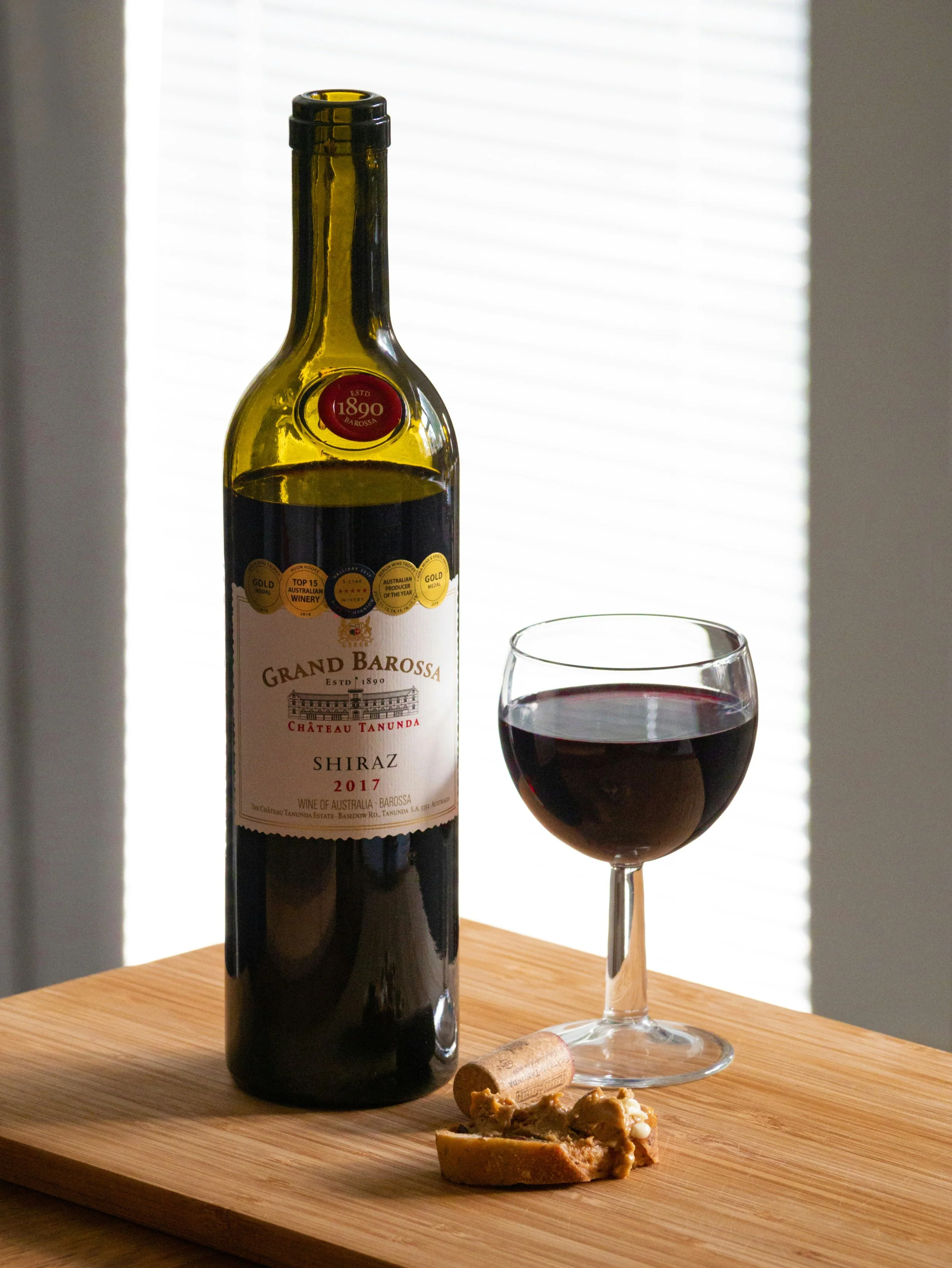
4 of the Best Red Wines for Beginners
The wines I've picked below have a lot in common. They're easy-going reds that are smooth to drink and have delicious fruit flavours.
I will also provide examples of two bottles. One will be cheaper, so you can buy more than one style. This way, you can find the perfect red wine for you.
Merlot
Merlot is a smooth, medium-bodied wine that originated in France, but it is now grown globally. It is a beautiful, easy sipper that is perfect for beginners.
Flavours: Plum, red cherry, and a hint of chocolate.
Why it is a good for beginners: Soft tannins and a velvety mouthfeel make it easy to enjoy without the dry mouth feeling.
Regions to try: Chile, California, Bordeaux (Right Bank).
Merlot is an easy-drinking red wine for beginners, especially when it hails from New World regions like California.
Gamay
Gamay wine is easy to drink on its own. It's low in tannins, and its red fruit flavours make it great for beginners.
Style: A light to medium-bodied red wine from France.
Tastes like: Strawberries, red currants, red fruits.
Why it’s good for beginners: Very soft tannins and bright fruit flavours, it’s an easy red for people who usually drink white or rosé.
Try Gamay as Beaujolais Nouveau. It’s light-bodied and very fruity, almost like alcoholic cranberry juice. This is a great choice if you enjoy sweeter drinks.
This is the most basic and easy-drinking style of the grape. Beaujolais Villages and the Beaujolais Crus offer wines that are richer and more refined. If you want something a step up, try these.
Zinfandel
Zinfandel is a full-bodied red wine that originated in Croatia. Today, you’ll find most expressions of this grape from California or Italy, where it is known as Primitivo.
Why it's good for beginners: Great for anyone easing into bolder reds without too much tannin.
Although not sweet, the concentrated, overripe fruit tastes juicy and almost thirst-quenching.
Flavour profile: Jammy, black fruits, chocolate, and juicy.
Tip: Zinfandel typically has higher alcohol levels, so you may feel extra happy after a bottle.
Pinot Noir
Pinot Noir is one of the oldest wine grapes, over 1,000 years older than Cabernet Sauvignon. It’s famously hard to grow, earning it the nickname “heartbreak grape.”
Why it's good for beginners: Light, smooth, and elegant with soft tannins — ideal for anyone who finds big reds too intense, and is a great starter red wine.
Flavour profile: Red cherry, raspberry, cranberry, and a gentle hint of spice.
Tip: Try serving it slightly chilled to make the fruit flavours pop and keep it extra refreshing.
🍷 Recap: Easy Drinking Red Wine
When it comes to red wine, the key is starting with smooth, fruit-forward bottles that are easy to drink and low in tannins.
Merlot is soft and velvety with notes of plum and chocolate — perfect if you’re new to red wine.
Gamay (especially Beaujolais) is light, juicy, and full of red fruit — ideal for those who enjoy white or rosé.
Zinfandel offers a bolder, jammy style with ripe fruit and a smooth finish — a fun step toward fuller reds.
Pinot Noir is elegant, silky, and versatile — an all-time favorite for beginners and beyond.
Each of these wines shows a different side of easy drinking red wine, from light and fruity to rich and full. Try a few styles to discover what you enjoy most — that’s the beauty of exploring red wine for beginners.
Remember, wine isn’t about rules; it’s about finding what makes you say “I love this.”